Okinawa Soba, Pork Tamago & Agu
Onna coral beach resorts, Naha Kokusai-dori hotels & Churaumi passes
100V / 60Hz · Two flat-pin Type-A plugs (bring a USB-C car cigarette charger too—older rental cars only have slow USB-A ports)
Subtropical marine glare year-round; beach swimming runs Apr–Oct, while Dec–Mar is breezy 18–21°C jacket weather (whale watching!)
Yui Rail Monorail takes Suica/ICOCA & Visa contactless tap; keep ¥1,000 bills for highway toll booths, shrimp trucks & market stalls
Locked in a solid hotel rate? Time your travel gear too — check real 90-day AliExpress price history on ChartBuy before you overpay at the airport.
Japanese rental cars often ship with laggy built-in nav screens without CarPlay and ZERO phone holders—holding a phone in your lap on right-hand-drive roads earns traffic fines and kills battery fast.
Authentic local dining spots and independent cafes clustered around top hotel neighborhoods, linked directly to mobile map apps.
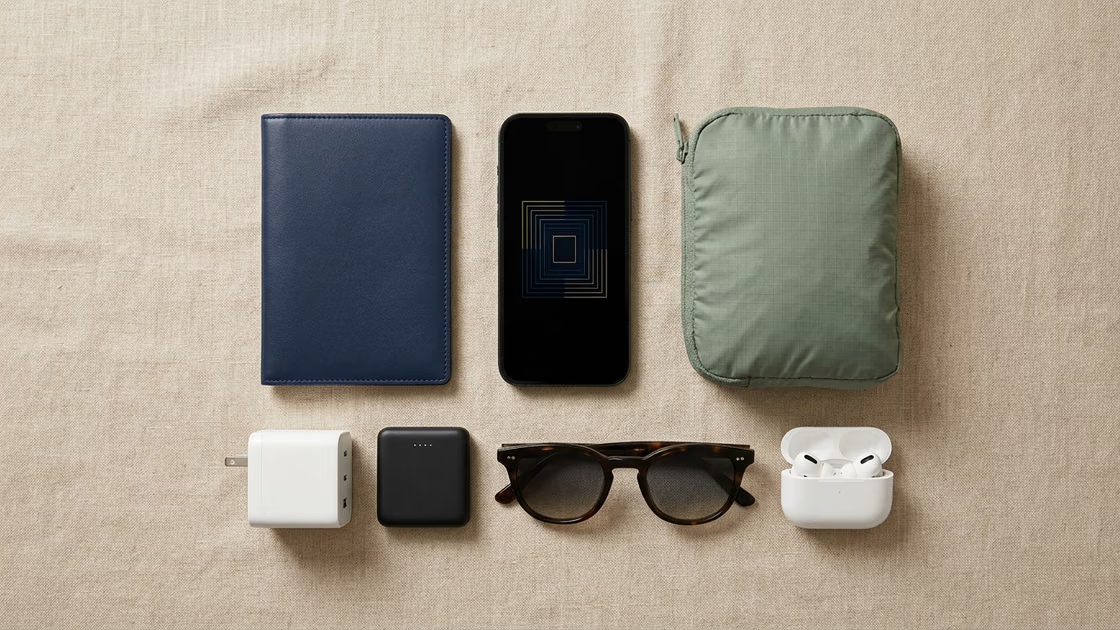
Tap each step to track your e-Arrival QR, transit reservations, and suitcase essentials. Progress saves automatically in your browser.
Saved locally in your browser
Naha rental counters turn customers away every single day for showing mobile/digital IDPs or forgetting their plastic home license card! (Taiwanese drivers must bring physical license + official JAF/監理站 Japanese translation).
Adding a ¥330 rental ETC card lets you breeze through Okinawa Expressway gates to Churaumi without waiting in long cash toll lanes; non-drivers should lock in Naha-departure northern aquarium coach tours.
Kouri Island ocean parking lots, Cape Manzamo entry machines, and century-old Okinawa Soba wooden houses in Motobu frequently accept ¥1,000 bills and coins only.
Official Visit Japan WebOkinawa’s shallow turquoise lagoons are carpeted with razor-sharp broken coral fragments, and tropical UV burns bare shoulders scarlet in 25 minutes of snorkeling.
Why mobile driving permits get rejected at Naha counters, how to travel Okinawa smoothly without a car, and surviving coral-reef sun.
Tap water is safe though mineral-heavy from coral limestone (makes hair stiff!); resort parking often costs ¥1,000–¥2,000/night extra
Flip-flops float away on the first wave at Sesoko or Kouri Beach while jagged dead coral slices bare soles, and resort gift shops charge 3x normal prices for basic aqua shoes and phone pouches.
Unlike soft mainland Tokyo/Osaka water, Okinawa’s groundwater filters through Ryukyu coral limestone—combining seawater salt with high-mineral tap water turns bleached or long hair into straw without filtration and balm.
Even on cloudy spring days, Okinawa’s white coral sand reflects intense UV upward onto chins and ears, leaving painful sunburns if you do not reapply a hands-free sun stick every two hours.
Filming 4K Kuroshio Sea whale shark tanks at Churaumi, checking Kerama ferry QR codes, and tethering family iPads on 2-hour bus rides drains phones long before sunset.
沖繩縣那霸市 西1-7-3
松尾 2
久茂地 3-9-3
国際通り
沖縄県那覇市久茂地3-9-9 9番地大樓 1F 9
沖繩縣那霸市泉崎1-9-7國立藥房1樓
Naha Airport 2F walkway direct to Kencho-mae / Makishi (Kokusai-dori), Omoromachi & Shuri Castle
First/last night in Naha or skipping airport rental shuttle queues by picking up cars in town
Naha Airport 1F shuttle curb (zones 11–14) to Toyosaki/Ashibinaa rental hubs, then drive north
Families & couples exploring Onna beaches, Cape Manzamo, Kouri Bridge, and hidden coastal cafes
Naha Airport / Prefectural Office direct to Chatan American Village, Onna Resort hotels & Churaumi Aquarium
Car-free travelers heading straight to a beachfront resort lobby or booking day tours from Naha
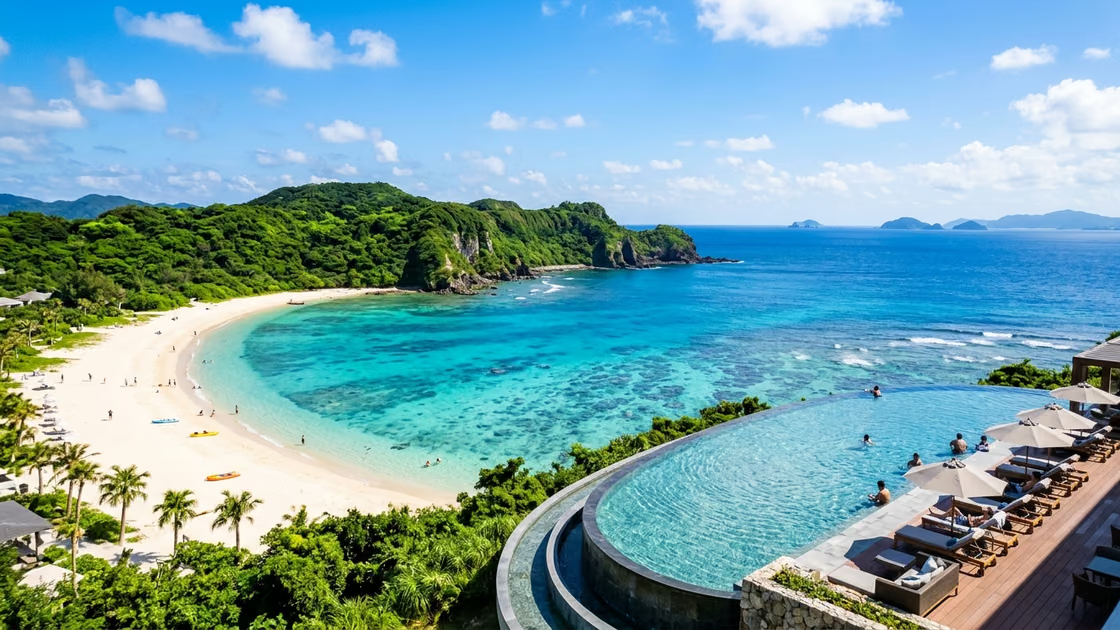
Picture-postcard Okinawa: clear turquoise lagoons right downstairs, sprawling 35–50㎡ ocean-balcony rooms, indoor/outdoor pools, and 20–45 min drives to Cape Manzamo and Churaumi Aquarium.
12 minutes from Naha Airport on the Yui Rail, packed with late-night Okinawa live folk-song ("shima-uta") izakayas, Makishi Market, Tsuboya pottery lane, and pick-up points for 1-day northern bus tours.
Only 35–40 minutes north of Naha Airport, blending oceanfront West Coast boardwalk sunsets, Saturday night 8 PM fireworks, pancakes & taco-rice cafes, and giant Aeon Mall Okinawa Rycom nearby.
Google Maps (beats outdated Japanese Mapcodes for live traffic!), DiDi & Uber Taxi (both dispatch quickly around Naha, Chatan & Onna), and Windfinder / JMA Typhoon Forecast in summer.
No tipping. Japan enforces a strict 0.00% BAC drunk-driving law—even one Orion beer at dinner means calling an affordable "Unten Daiko" (two-driver return service, ~¥2,000–¥3,500) to drive YOUR rental car back to your resort, and watch mornings after heavy awamori nights!
Between May and October, translucent deadly Habu box jellyfish drift into unnetted coves—always swim inside buoyed resort jellyfish nets ("kurage-netto") where lifeguards keep vinegar first-aid stations.
Dial 119 for ambulance, 110 for police, 118 for Coast Guard sea emergencies. Drug Eleven, Matsumoto Kiyoshi, and Don Quijote Kokusai-dori / Mega Donki Ginowan stock aloe after-sun gel and seasickness pills ("Aneron").
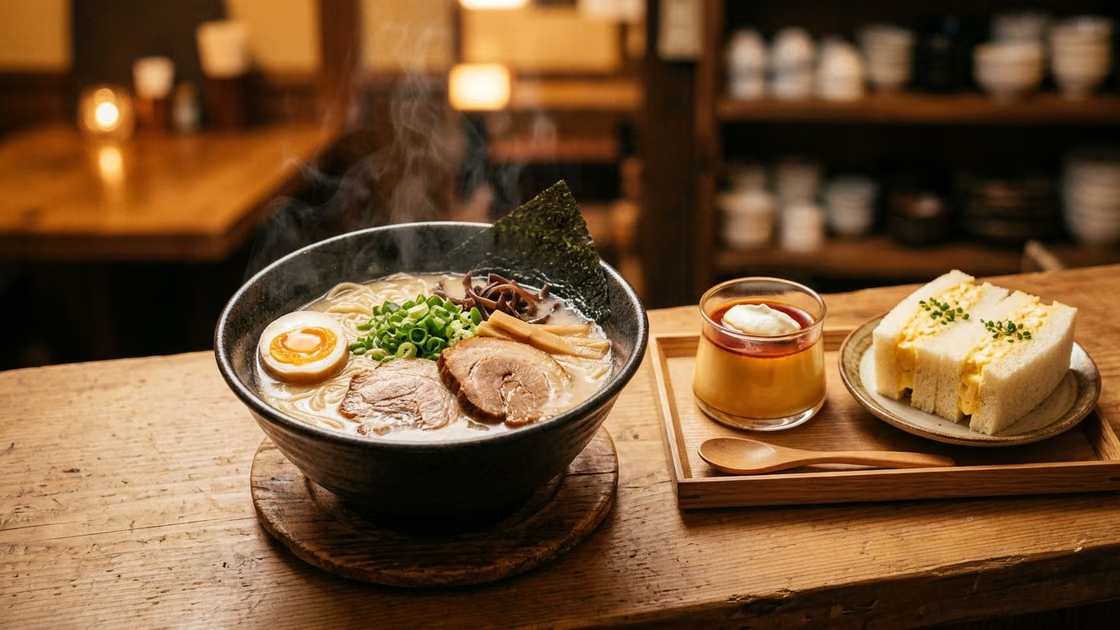
First surprise for mainland Japan veterans: "Okinawa Soba" contains zero buckwheat—chewy wheat noodles swim in a clear pork-and-bonito broth topped with melt-in-your-mouth stewed cartilage ribs ("Soki Soba") or three-layer pork belly ("Sanmai-niku"). Halfway through your bowl, splash in a few drops of "Koregusu" (chili peppers steeped in Awamori island liquor—sniff first, it packs a punch!). And instead of queuing 45 minutes at Naha Airport’s Pork Tamago Onigiri counter, pre-order via their mobile pickup app or visit the quieter Chatan/Makishi branches.
American post-war heritage gave Okinawa its most delicious quirks: stopping at retro neon "Blue Seal" parlors for salty Beni-imo (purple sweet potato) and Chinsuko cookie ice cream, munching Taco Rice by the beach, and ending a night of Orion draft beers not with ramen, but with a sizzling 200g iron-plate steak at 11:30 PM ("Shime-Steak") at classic diners like Jack’s Steak House or Steak House 88!
Driving drivers cannot taste Koregusu chili sauce if poured heavily—it is 30%-ABV Awamori liquor! Stick to chili powder ("shichimi") if you are behind the wheel.
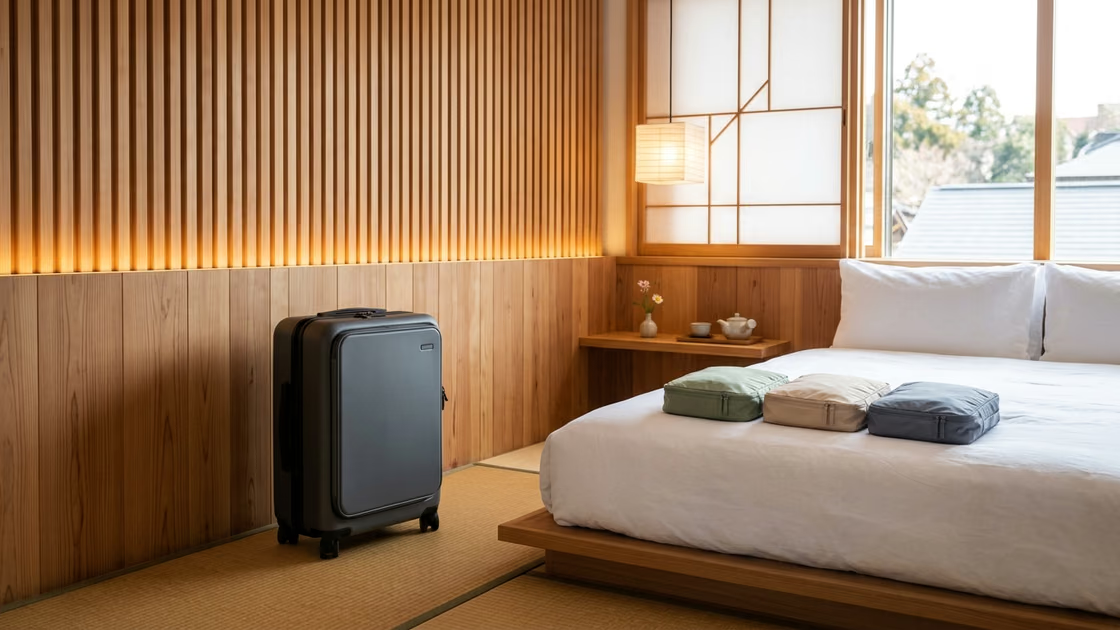
Okinawa Main Island stretches over 100km end to end, and Route 58 plus Naha’s airport approach clog badly during weekday rush hours (7:30–9:30 AM and 5:00–7:00 PM). Staying all four nights in downtown Naha wastes two hours every day driving back and forth to northern beaches, while staying your final night up in Motobu/Onna creates nerve-wracking morning stress refueling, returning the rental car, and catching shuttle buses before an 11:00 AM flight.
The smoothest layout for a 3- or 4-night trip is a clean 2-base split: spend your main nights in an Onna Village or Motobu oceanfront resort (or walkable Chatan), then drive down to Naha on your last afternoon, return your rental car by 6:00 PM (saving a whole day’s rental + ¥2,000 hotel parking!), enjoy Kokusai-dori izakayas worry-free with Orion beer, and glide 12 minutes to Naha Airport on the Yui Rail the next morning.
Check resort fee fine print before booking: some Onna beachfront properties charge extra per person for outdoor pool loungers, beach parasols, or indoor hot-bath ("onsen/spa") access unless you book a Club or Ocean Wing tier.
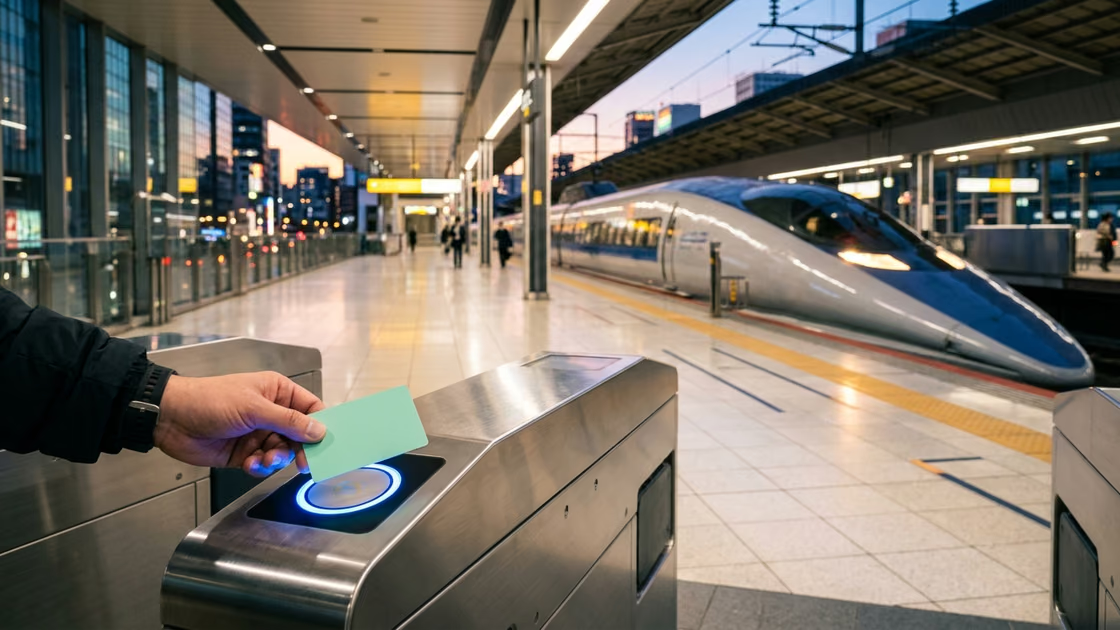
Landing at Naha Airport at noon often means standing in humid heat at shuttle bus stop 11-A while three full buses pass before you even reach your rental desk. Savvy repeat visitors take the air-conditioned Yui Rail Monorail 19 minutes to Omoromachi Station (T-Galleria DFS) or Makishi instead, walk straight up to a quiet city rental counter, and merge directly onto the Nishihara Expressway interchange heading north—cutting pickup headaches in half! Before driving off, shoot a slow 360-degree smartphone video of existing bumper/wheel scratches and double-check whether your fuel cap sticker says Regular ("Red" nozzle in Japan!) before returning full ("Mantan").
No driver’s license? Okinawa is much easier car-free than myths suggest: stay near Kencho-mae (Prefectural Office) on Kokusai-dori or in Chatan, hop a 1-day "Hip-Hop Bus" / Jambaru sightseeing coach hitting Cape Manzamo, Kouri Island, Nago Pineapple Park, and 3 full hours at Churaumi Aquarium for ~¥6,000, and ride the fast ferry from Naha’s Tomari Port 35–50 minutes out to Tokashiki Island for world-class sea-turtle beaches!
Remember the Yui Rail "1-Day Pass" (¥800) actually runs for a full 24 HOURS on the clock—buy it at 3:00 PM on Day 1 and it still covers your monorail rides until 2:59 PM on Day 2!
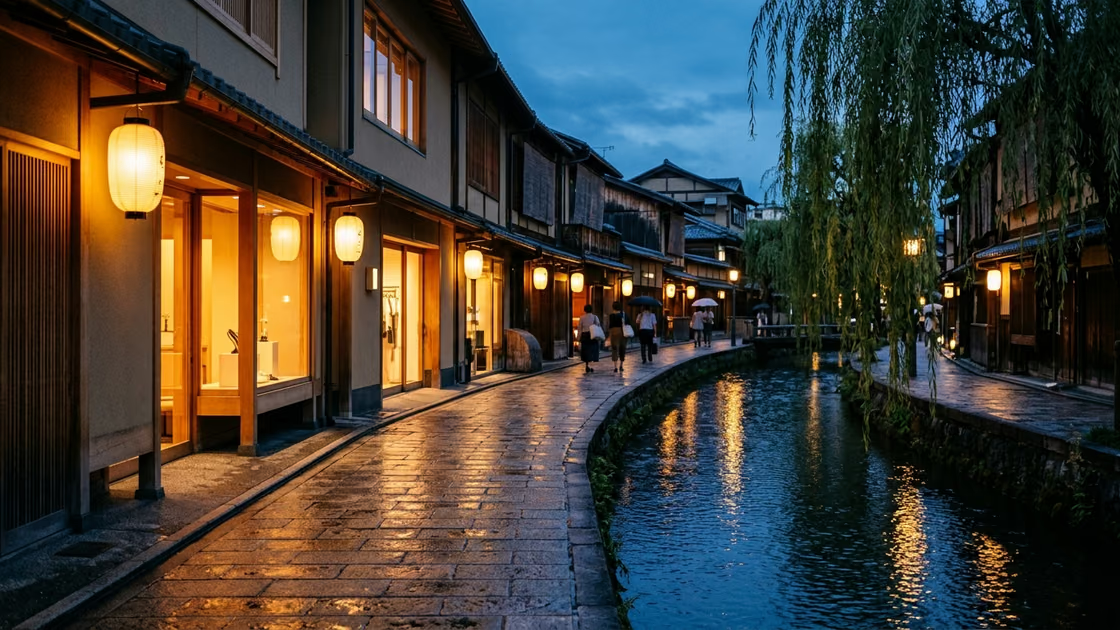
Evening vibes split cleanly between north and south. In Naha, duck off Kokusai-dori into the lantern-strung "Kokusai-dori Yataimura" alley of 20 cozy stalls or reserve a table at a "Shima-Uta" live folk-music izakaya: performers pluck three-string snakeskin sanshin lutes over plates of Goya Champuru bitter-melon stir-fry and crispy Umibudo sea grapes, and by the final song the entire room stands up waving raised hands in the joyful "Kachashi" folk dance!
Staying up in Chatan or Onna/Motobu? Mihama American Village lights up like a seaside carnival every night (with free 8:00 PM beachfront fireworks on many Saturdays!), while northern Motobu and Kouri Island get so dark after 9:00 PM that stepping onto your resort balcony or Kouri Beach parking lot on a clear moonless night reveals a dazzling Milky Way band right over the East China Sea.
Buying Okinawa souvenirs on Kokusai-dori? Skip generic keychain stalls and pick up Yukishio (Miyakojima snow-salt) sandwich cookies, Royce Ishigaki-salt chocolate potato chips, and small bottles of aged Kusu Awamori.
Never—every rental agency in Okinawa legally requires the physical 1949 Geneva Convention paper booklet IDP PLUS your physical plastic home driver’s license (or official JAF paper Japanese translation + physical license for Taiwan/Switzerland/Germany/France). Forgetting either physical document forfeits your car on the spot.
Managed beaches open from late March/early April through October. From December to February, daytime highs sit around a pleasant 18–21°C (like crisp spring/autumn with ocean wind)—beaches close for casual swimming, though wetsuit diving/snorkeling at Blue Cave runs year-round and Jan–Mar is peak humpback whale watching season!
Typhoons peak in August and September: watch JMA forecasts 3 days out, buy water/bento at supermarkets BEFORE gale winds shut buses and konbini deliveries (Yui Rail halts when winds top 25m/s), book flexible-cancellation hotel rates during typhoon months, and keep travel insurance covering flight-delay hotel nights.