Soup Curry, Jingisukan & Parfaits
Susukino onsen hotels, Biei-Furano day tours & Hokkaido rail passes
100V / 50Hz · Two flat-pin Type-A plugs (multi-port GaN charger helps recharge cameras, hand warmers & power banks overnight)
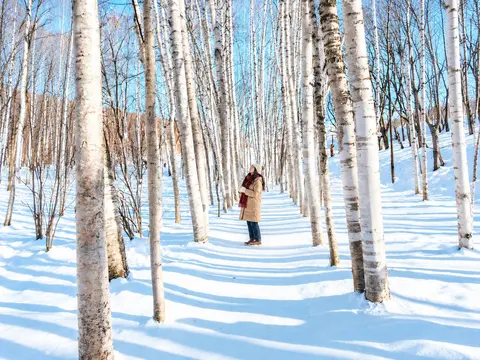
Snowy -8°C to 0°C winters (Nov–Mar) with toasty 25°C indoor heating—skip ultra-thick base layers; wear breathable fleece + windproof shell
Kitaca / Suica IC cards work on JR Rapid Airport, Sapporo Subway & Streetcar; carry ¥1,000 bills for Ramen Yokochō kiosks
Locked in a solid hotel rate? Time your travel gear too — check real 90-day AliExpress price history on ChartBuy before you overpay at the airport.
Convenience stores near Sapporo Station frequently sell out of adult shoe sizes in ice spikes after fresh blizzards, and knit wool gloves soak through in 10 minutes of snowball photos while keeping hands out of pockets.
Authentic local dining spots and independent cafes clustered around top hotel neighborhoods, linked directly to mobile map apps.
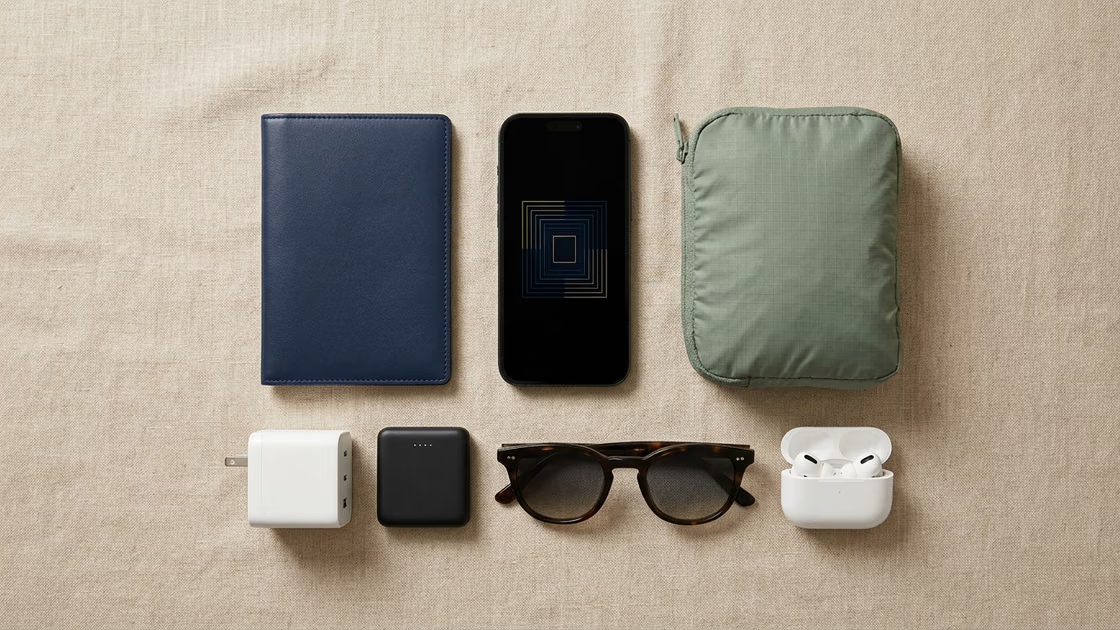
Tap each step to track your e-Arrival QR, transit reservations, and suitcase essentials. Progress saves automatically in your browser.
Saved locally in your browser
Winter whiteout roads make rental cars risky for snow novices—coach tours to Biei’s Christmas Tree and Shirogane Blue Pond sell out weeks ahead, and reserving a ¥840 u-Seat saves standing 40 min with suitcases.
Heavy January–February snowfall periodically slows JR trains between Sapporo and New Chitose Airport (CTS)—aim to leave central Sapporo at least 3.5 hours before international departures.
Official Visit Japan WebPedestrian traffic polishes Susukino crosswalk snow into mirror-slick black ice—pack stretch-on rubber ice cleats you can slip off in 5 seconds before stepping onto department store tile floors.
Tiny 8-seat miso ramen counters, Otaru canal snack stalls, and ¥100 shoe/clothes lockers at Jozankei or Hoheikyo Onsen still require physical yen bills and coins.
From navigating 2km underground walkways in a blizzard to keeping your phone battery alive at -8°C and timing soup curry queues.
Cold snowmelt tap water tastes clean; winter hotel heaters drop cabin humidity below 25%, so fill the in-room humidifier tank before bed
Shooting dusk canal photos in Otaru or snowy hills in Biei at -8°C causes lithium phone batteries to plummet from 50% to shutdown in minutes—tuck a built-in-cable bank in an inner chest pocket with a heat pack.
Three fleece pullovers, thermal socks, and snow pants swallow an entire 28-inch suitcase before you buy a single box of Shiroi Koibito or Rokkatei butter sandwiches at New Chitose Airport.
Winter trips double your USB-C queue—two phones, a mirrorless camera battery, a 20,000mAh power bank, and rechargeable hand warmers all need full juice before 7:45 AM tour bus departures.
Alternating between -8°C outdoor gusts on Mount Moiwa and bone-dry 25°C hotel forced-air heating cracks lips and cheeks by Day 2 unless you layer rich barrier cream right after the bath.
中央区 18
中央区
中央区 3
中央区 24
中央区 10
中央区
中央区 minami 1 jonishi, 1 chome, 7F - chuo ward
中央区 ohsawa BLD 5F south west 1 Chou ku
New Chitose Airport (CTS) B1 station direct to Sapporo Station (some continue straight to Otaru)
Fastest year-round link; Car 4 reserved u-Seat gives luggage racks and guaranteed seating every 12 min
CTS arrival curb direct to Nakajima Park, Susukino, Odori Park & major downtown hotels
Travelers staying in Susukino or Nakajima Park who want zero suitcase-dragging on snowy streets
CTS direct to Noboribetsu Onsen (Donan Bus) or private winter van transfer for groups of 4–7
Heading straight to a hot spring ryokan on Day 1 or traveling with ski/snowboard bags and seniors
Steps from Nikka Whisky neon, lamb Jingisukan grills, miso ramen alleys, midnight "shime-parfait" cafes, and the roofed 7-block Tanukikoji shopping street (home to 24h Mega Don Quijote).
Roll off the airport train straight into Daimaru/Stellar Place malls and underground Chi-Ka-Ho walkways, and walk 3 minutes in the morning to Otaru trains or Biei day-tour bus meetups.
Dead-center between Sapporo Station and Susukino (10-min underground walk either way), hosting February’s Snow Festival sculptures, July–August Beer Gardens, and September’s Autumn Fest right outside.
Google Maps (follow subterranean Chi-Ka-Ho & Pole Town numbered exits in winter!), GO Taxi (essential after the midnight subway cutoff in sub-zero cold), and Yahoo! Japan Weather snowfall radar.
No tipping. Always brush loose snow off your parka shoulders and boots on the entrance mat before stepping into soup curry shops or trains so melting puddles do not make floors hazardous.
Slip-and-fall wrist fractures on Susukino black ice are the #1 winter tourist ER visit—NEVER walk with hands buried in your coat pockets, take penguin shuffle steps, and ignore street touts ("kyakuhiki") offering "all-you-can-eat crab + bar" deals.
Dial 119 for ambulance, 110 for police. Sapporo’s homegrown drugstore chain "Satudora" (Sapporo Drug Store) inside Tanukikoji Arcade stays open late with tax-free counters, shoe spikes, and heat packs.
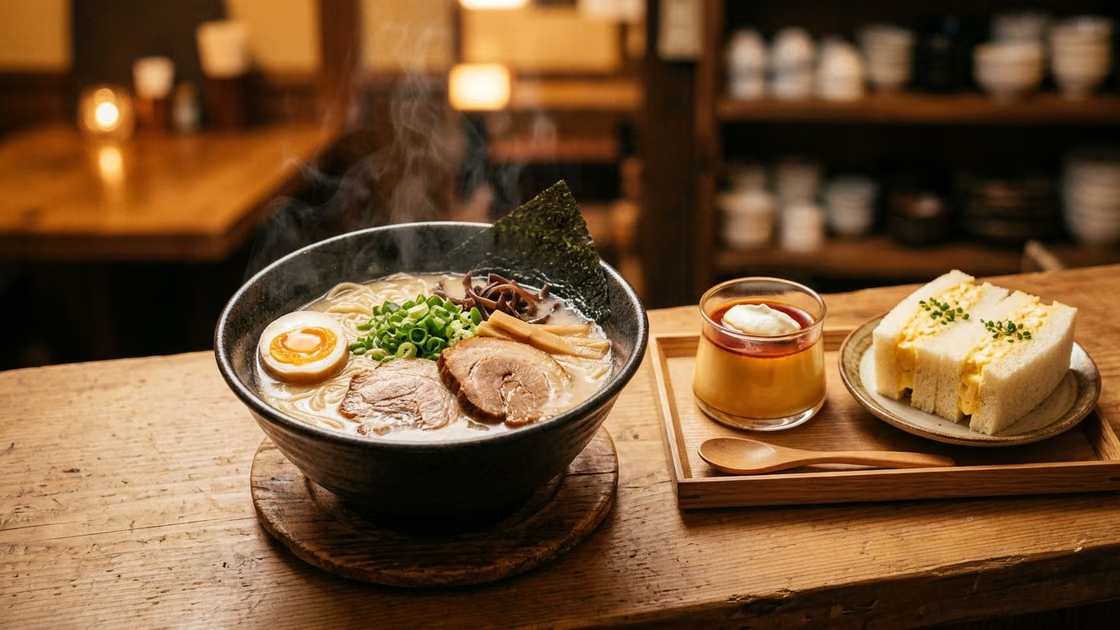
Sapporo’s comfort food hits differently after walking through fresh snow. At famous soup curry spots like Garaku, Suage+, or Treasure, prime 6:30 PM dinner lines easily stretch past 90 minutes outdoors—instead, grab a digital numbered QR ticket at 11:15 AM before opening or slip in around 3:30 PM for a late lunch. Ordering works in three steps: pick your protein (crispy chicken leg or braised pork belly + Hokkaido broccoli is unbeatable), choose broth base, and select spice level (Levels 2–3 give warm heat without overpowering sweet winter cabbage and pumpkin).
Come evening, dome-shaped cast-iron "Jingisukan" grills sizzle with fresh chilled lamb shoulder in Susukino. Every table hands you heavy plastic bags or under-stool lockers—stuff your down parka and scarf inside BEFORE meat hits the skillet or your coat will smell like mutton grease for the rest of the flight home! Afterward, do what locals do instead of a second bowl of butter-corn miso ramen: duck into a "Shime-Parfait" (closing parfait) lounge for fresh Hokkaido milk soft-serve layered with berries and liqueur.
Before clearing security on your flight home, leave 90 extra minutes at New Chitose Airport’s Domestic Terminal (floors 2F–3F)—Hokkaido Ramen Dojo, Kinotoya fresh-baked cheese tarts, and Calbee+ hot potato chips are better than most downtown malls!
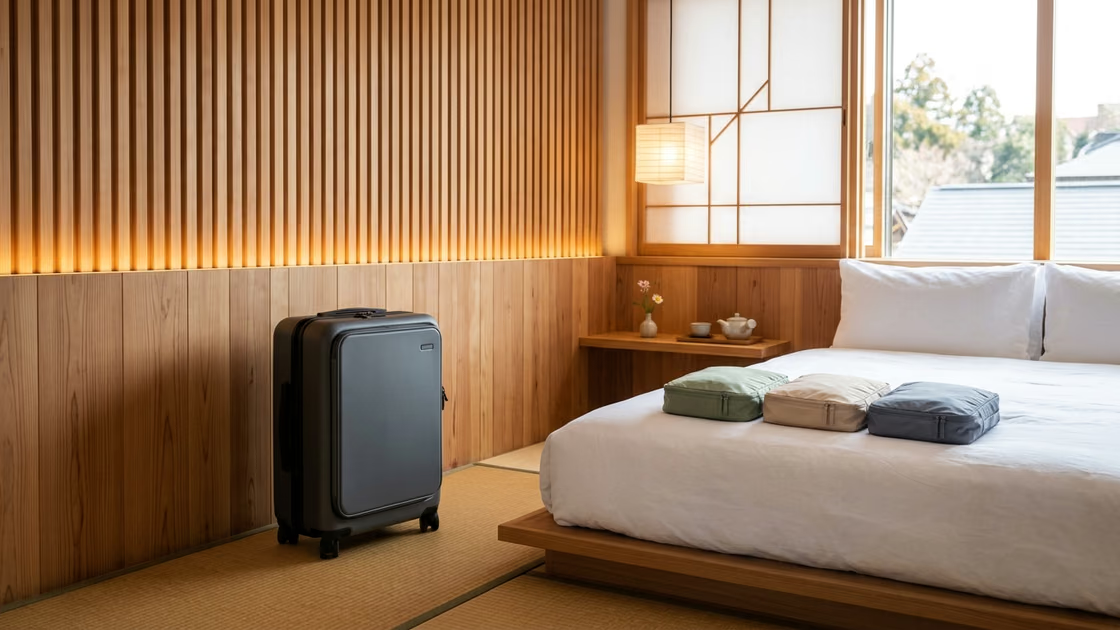
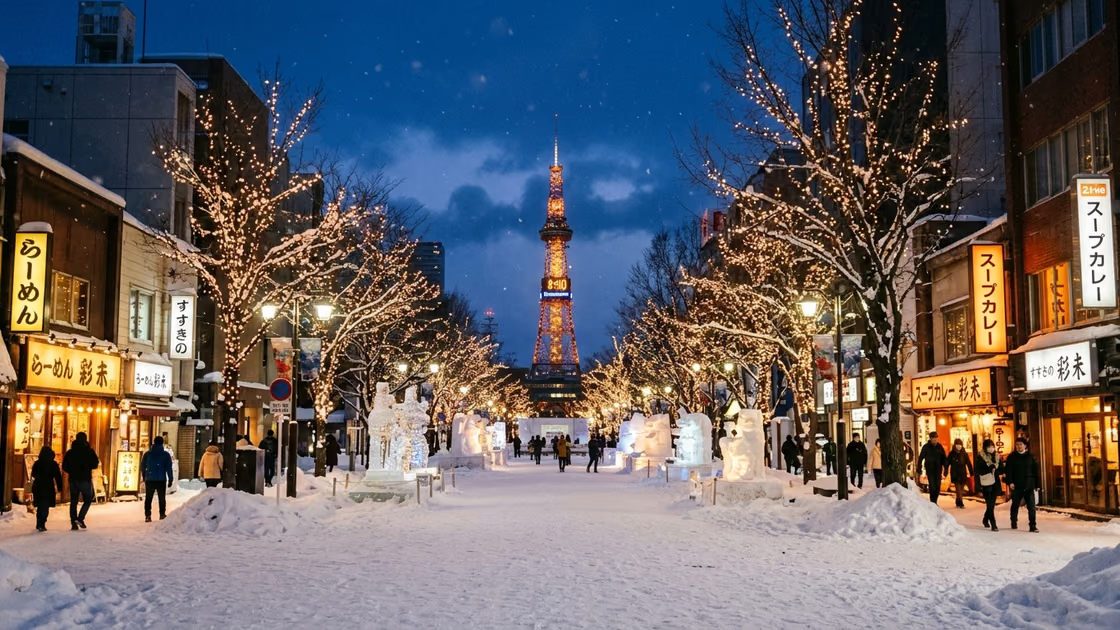
On a sunny July map, walking 600 meters from Sapporo Station looks trivial; in January slush and sideways snow with two heavy suitcases, those same four blocks feel endless. Sapporo’s secret weapon is a continuous 1.9km heated underground corridor—Chi-Ka-Ho linking Sapporo Station to Odori, flowing straight into Pole Town down to Susukino. Picking a hotel directly connected to or within 80 meters of a numbered underground stairwell (or roofed Tanukikoji Arcade) transforms your entire winter trip.
Inside the room, two winter surprises catch visitors off guard: older downtown business hotels run building-wide central heating locked around 24–26°C where you cannot switch the wall thermostat to cool—cracking the double-pane window latch 2cm or requesting a loaner fan from reception fixes stuffy sleep instantly, right after filling the room’s Sharp/Panasonic air-purifier humidifier tank. Better yet, Sapporo is packed with modern city hotels pumping real dark-amber "moor" hot spring water into rooftop baths, thawing frozen toes every night.
Traveling during the February Snow Festival when central rooms hit $350+/night? Check hotels right next to Nakajima Park Station (2 stops south of Odori) or Kita-18-Jo—airport buses stop at Nakajima Park and you reach Susukino in 3 minutes.
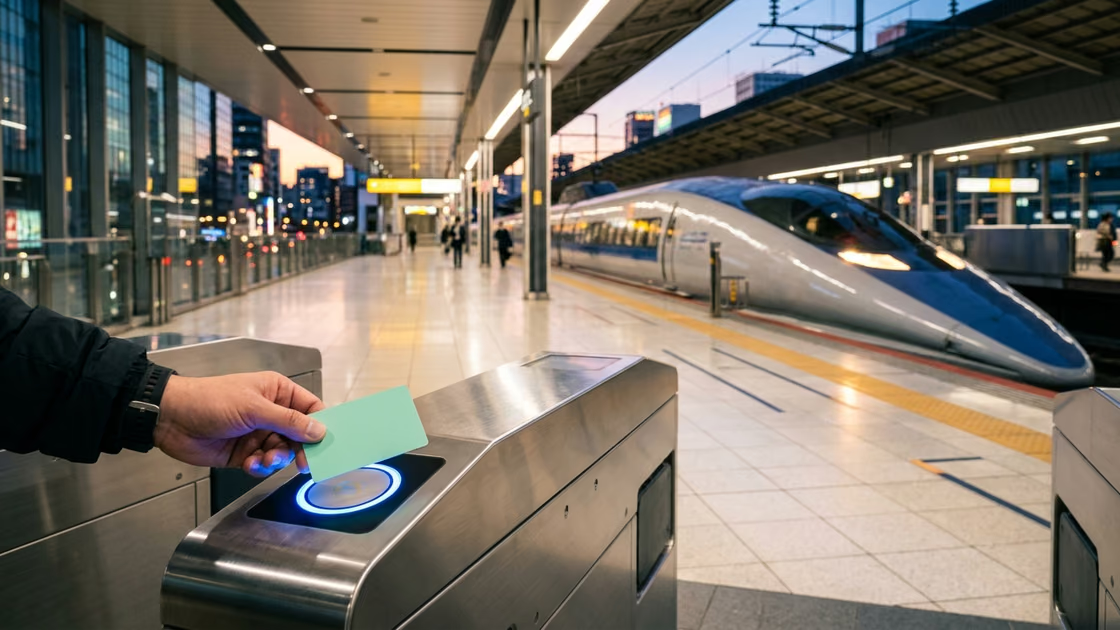
That cinematic train ride right along breaking Sea of Japan waves between Zenibako and Asari on the way to Otaru costs just ¥750 (32–45 minutes from Sapporo Station)—sit on the RIGHT-hand side facing forward toward Otaru (and the LEFT side heading back to Sapporo) so your window frames snow-dusted beaches inches from the tracks! Inside Sapporo on Saturdays, Sundays, and holidays, buy the "Donichika Kippu" weekend subway day pass at any ticket machine for just ¥520 (breaks even in three rides vs. ¥830 on weekdays).
Thinking about renting a car between December and March for Biei or Lake Toya? Unless you regularly drive icy northern winters back home, skip it: sudden Hokkaido "whiteout" blizzards erase lane lines and oncoming headlights in seconds, even with studless snow tires ("sutaddoresu"). Save self-driving for glorious June–October lavender and foliage road trips, and rely on guided winter day coaches or JR limited express trains when snow is on the ground.
Riding Sapporo’s retro green streetcar loop to the Mount Moiwa Ropeway? Pay flat fare on exit—Visa/JCB contactless tap and Suica/ICOCA both work right at the driver’s reader.
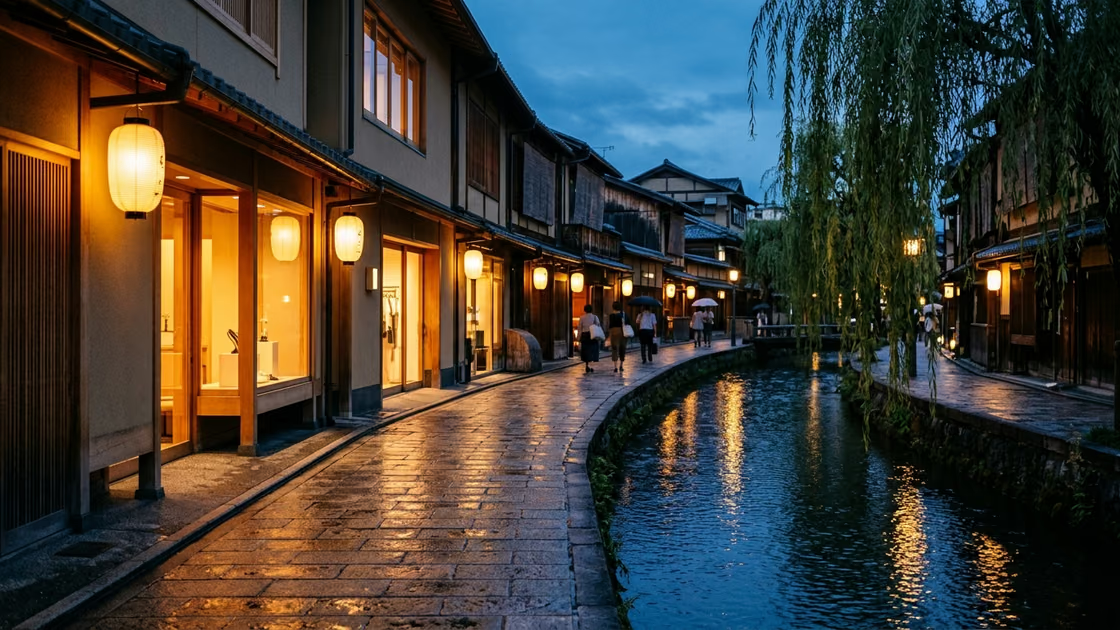
Two regional icons belong on every Sapporo evening itinerary: an ice-cold mug of 100%-malt "Sapporo Classic" (brewed almost exclusively for Hokkaido—check the red brick Sapporo Beer Museum & Biergarten in Higashi-ku for draft pours straight from the brewery tanks), and Japan’s "New Top Three Night View" from the 531m summit of Mount Moiwa. Remember that northern winter sunsets arrive shockingly early around 4:05–4:20 PM in December and January, so board the ropeway by 3:45 PM to catch blue-hour twilight before 90-minute tourist queues build.
On the walk back to your hotel, skip 7-Eleven at least once for orange-signed "Seicomart"—Hokkaido’s beloved homegrown convenience store chain. Grab a piping-hot katsudon pork cutlet bowl cooked fresh inside the store’s "Hot Chef" kitchen, a tub of rich Secoma Hokkaido Milk Soft Serve from the freezer, and local Furano melon soda or canned Sapporo Classic for a ¥900 midnight feast.
Want a stunner winter night view with ZERO ropeway wait if Mount Moiwa shuts for high winds? Ride the elevator up JR Tower Observation Deck T38 right at Sapporo Station (open until 10:00 PM, warm indoor cafe!).
July and August are actually Sapporo’s other peak season! While Tokyo and Osaka roast in 36°C humidity, Hokkaido stays breezy around 24–27°C with zero "tsuyu" rainy season, blooming purple lavender fields in Furano, and open-air Odori Park beer gardens.
No—mesh running shoes freeze your toes in slush and slide dangerously on black ice at crosswalks. Wear mid-calf waterproof winter boots with deep rubber lugs, plus slip-on city ice cleats for icy evenings.
Yes, especially in winter: unreserved cars pack shoulder-to-shoulder like a commuter subway with bulky coats and suitcases, whereas paying ¥840 for Car 4 u-Seat guarantees a reclined forward-facing seat and dedicated luggage racks.